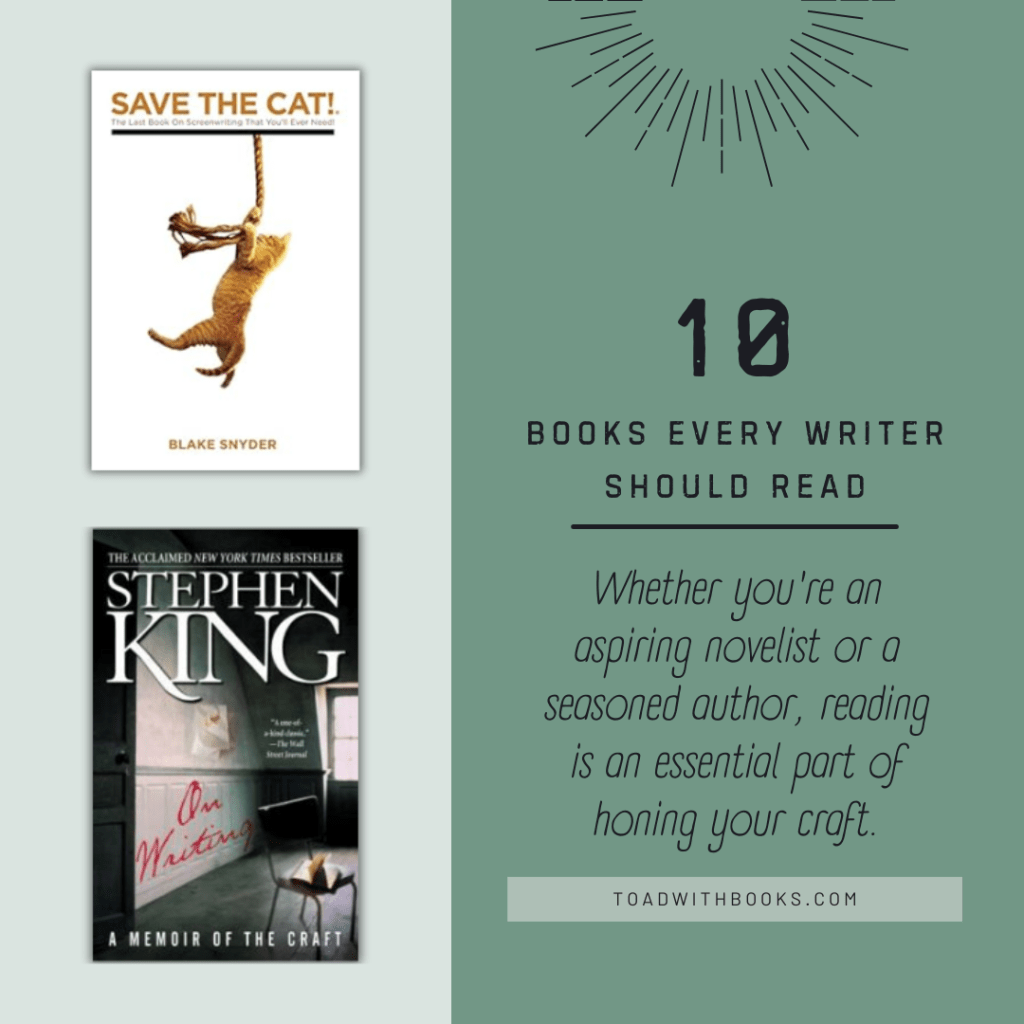
Whether you’re an aspiring novelist or a seasoned author, reading is an essential part of honing your craft. The following books offer invaluable insights into the art of writing, storytelling, and the creative process. Here’s a list of must-reads for every writer:
1. “On Writing: A Memoir of the Craft” by Stephen King
Stephen King’s memoir is part autobiography, part writing guide. King offers practical advice on the craft, the writing life, and shares his own experiences in a way that’s both inspiring and instructional.
Why You Should Read It:
- Real-life examples from King’s prolific career.
- Practical tips on grammar, style, and the writing process.
- Insight into the discipline and mindset required for writing.
2. “Bird by Bird: Some Instructions on Writing and Life” by Anne Lamott
Anne Lamott’s book is a treasure trove of wisdom and humor. She provides a candid look at the challenges and rewards of writing, emphasizing the importance of perseverance and honesty in one’s work.
Why You Should Read It:
- Honest and relatable advice for writers at all stages.
- Encouragement to embrace imperfection and keep writing.
- Practical tips on character development, plot, and dialogue.
3. “The Elements of Style” by William Strunk Jr. and E.B. White
This classic guide is a staple on every writer’s bookshelf. It covers the fundamentals of grammar, composition, and style, making it an essential reference for clear and concise writing.
Why You Should Read It:
- Clear rules for grammar and composition.
- Practical examples of common writing mistakes.
- Timeless advice for improving clarity and style.
4. “Writing Down the Bones: Freeing the Writer Within” by Natalie Goldberg
Natalie Goldberg’s book focuses on writing as a practice, much like meditation. She encourages writers to let go of self-criticism and write freely, offering exercises to spark creativity.
Why You Should Read It:
- Techniques for overcoming writer’s block and self-doubt.
- Exercises to develop a regular writing practice.
- Inspiration to write from a place of authenticity.
5. “The War of Art: Break Through the Blocks and Win Your Inner Creative Battles” by Steven Pressfield
Pressfield’s book is a powerful look at the internal obstacles that prevent us from achieving our creative potential. He offers strategies for overcoming resistance and staying productive.
Why You Should Read It:
- Insight into the nature of creative resistance.
- Practical advice for maintaining discipline and focus.
- Motivational strategies to push through creative blocks.
6. “Big Magic: Creative Living Beyond Fear” by Elizabeth Gilbert
Elizabeth Gilbert’s “Big Magic” explores the relationship between fear and creativity. She encourages writers to embrace curiosity and let go of unnecessary suffering in the creative process.
Why You Should Read It:
- Encouragement to live a creative life without fear.
- Insightful anecdotes about the creative journey.
- Practical advice for nurturing creativity.
7. “The Artist’s Way: A Spiritual Path to Higher Creativity” by Julia Cameron
Julia Cameron’s book is a 12-week program designed to unlock your creativity. It includes exercises, activities, and prompts to help writers reconnect with their creative selves.
Why You Should Read It:
- Structured program to develop and maintain creativity.
- Exercises that promote self-discovery and creative growth.
- Emphasis on the spiritual and emotional aspects of writing.
8. “Story: Substance, Structure, Style, and the Principles of Screenwriting” by Robert McKee
Robert McKee’s “Story” is a comprehensive guide to story structure and the principles of storytelling, especially useful for screenwriters but applicable to all narrative forms.
Why You Should Read It:
- In-depth analysis of story structure and elements.
- Practical techniques for developing compelling narratives.
- Examples from film and literature to illustrate key points.
9. “Save the Cat! The Last Book on Screenwriting You’ll Ever Need” by Blake Snyder
Although aimed at screenwriters, Blake Snyder’s book offers universal insights into story structure, character development, and pacing that are invaluable for any writer.
Why You Should Read It:
- Clear, actionable advice on story structure.
- Practical tips for creating engaging characters and plots.
- Useful for both novelists and screenwriters.
10. “The Hero with a Thousand Faces” by Joseph Campbell
Campbell’s exploration of the Hero’s Journey has influenced countless writers and storytellers. Understanding these archetypal patterns can enhance your storytelling and character development.
Why You Should Read It:
- Insight into the universal patterns of storytelling.
- Inspiration for creating mythic and resonant narratives.
- Analysis of archetypes and their roles in stories.
Reading these books will provide you with a wealth of knowledge, inspiration, and practical advice to enhance your writing journey. Each book offers unique perspectives and tools to help you develop your craft and overcome the challenges that every writer faces. Happy reading and writing!
 Toad with Books
Leave a comment